What Is a Snore Score? Snorly, SnoreLab and dB Explained
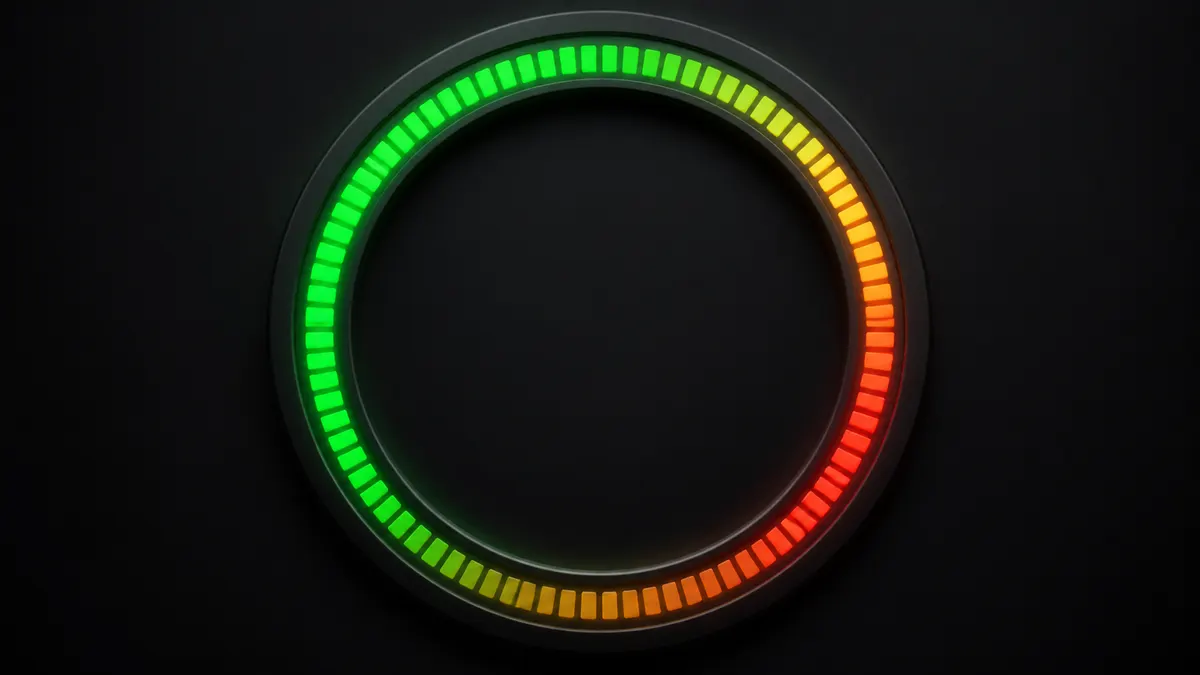
A snore score is one number that summarises how much you snored in a night and how loud it was. Snorly scores a night from 0 to 100, where 100 means no snoring was detected and anything under 50 means snoring took up a large part of the night at moderate or severe loudness. Other apps use other scales, so a "25" in SnoreLab and a "25" in Snorly mean very different nights.
- Snorly: 0–100, higher is better. 90–100 Excellent, 70–89 Good, 50–69 Average, 30–49 Poor, below 30 Very poor (nights under 4 hours are marked "Too short").
- SnoreLab: open-ended, lower is better. Its own guide puts the median user at about 25, calls 50+ "bad" and 100+ a reason to "find solutions" (SnoreLab Insights).
- Loudness bands in Snorly clips: Quiet, Light, Moderate, Severe, assigned from the measured level of each clip.
- Loud snoring is commonly reported around 50–60 dB; extreme cases exceed 80 dB (Sleep Foundation; Guinness lists a 111.6 dB record).
How does Snorly calculate the score?
Snorly starts at 100 and subtracts a "snoring burden": the share of the night spent snoring, weighted by loudness (light episodes count 0.4, moderate 0.7, severe 1.0). The burden saturates at 60% of the night, so a night that was more than 60% loud snoring scores near zero. Then it subtracts a small fragmentation penalty, 2 points per snoring episode per hour, capped at 10 points, because many short episodes disturb sleep more than one long one at the same loudness.
Two examples from the formula:
| Night | Snoring | Loudness | Episodes | Score |
|---|---|---|---|---|
| A | 20 min of 8 h | mostly light | 3 | about 90 |
| B | 2 h 15 min of 8 h | mixed, some severe | 12 | about 55 |
| C | none detected | – | 0 | 100 |
The score is a summary, not a diagnosis. Two nights with the same score can sound different; the timeline and the clips are where you look next.
What is a good snore score?
In Snorly, 70 or above is a good night and 90 or above is a night with almost no snoring. A score that swings by 20 points between nights usually has a visible cause in the factor tags: alcohol, a late meal, a cold, sleeping on your back. That is the point of the score: not to grade you, but to make change measurable. Compare a week of nights with a remedy against a week without and look at the average, not at one night.
How is SnoreLab's Snore Score different?
SnoreLab's score goes the other way: it grows with the amount and loudness of snoring and has no upper limit. Its published guidance says most users sit around 25, 50 or more is poor, and 100 or more means it is time to try remedies, with a target of 10 or lower. You cannot convert one score into the other. If you switch apps, compare a week of nights inside one app rather than a single score across two. See our Snorly vs SnoreLab comparison for the full feature list.
How loud is snoring in decibels?
Normal breathing during sleep is around 10 dB. Light snoring sits near 40 dB, about the level of a quiet office. Moderate snoring is 50–60 dB, comparable to a conversation or a running shower. Severe snoring passes 60 dB and can reach 80–90 dB in extreme cases, similar to a vacuum cleaner or heavy traffic. Bedroom recordings measure lower than a lab because the microphone sits a metre away; that is why apps label clips relative to their own scale rather than quoting an absolute number. Read what snoring sounds like for a full table with audio.
Is 40 dB snoring loud?
No. Around 40 dB is light snoring, quieter than a normal conversation, and most partners sleep through it. Partners typically start to complain in the 50–60 dB range, where snoring competes with speech. A single loud peak matters less than how long the loud stretches last, which is why Snorly weights the score by both.
What the score cannot tell you
A snore score does not measure oxygen, breathing effort or sleep stages. Silent breathing pauses produce no sound and therefore no score change. If your recordings show snoring that stops, a silent gap, then a loud snort or gasp, that pattern is worth showing a doctor regardless of the number. Snorly flags such breathing patterns separately from the score and can export a PDF report you can bring to an appointment.
Hear your own snoring tonightSnorly records only when it hears snoring and plays it back in the morning. Free, no account, no night limit.
Download on the App StoreRelated questions
Why does my score drop after drinking?
Alcohol relaxes the throat muscles, so the airway narrows and vibrates more. In Snorly's factor comparison, "Alcohol" nights commonly show more moderate and severe episodes and a lower average score than sober nights.
Does the score include sleep talking or coughing?
No. Sleep talk and cough clips are recorded and labelled, but only snoring episodes feed the score.
Can I get a score without Premium?
Yes. The score, the timeline, clip playback and your history are free every night with no limit. Premium is only for full-night audio, remedy and factor comparisons and the doctor report.
What is a snore score chart?
A chart of your nightly scores over weeks. In Snorly it lives in the Research tab next to the factor and remedy comparisons, so you can see whether a change moved the line.
Snorly is a snore recorder and tracker, not a medical device. It does not diagnose sleep apnea or any other condition. If you notice pauses in breathing, gasping or daytime sleepiness, talk to a doctor.